
February 20, 2026 | Personal Injury in Atlanta, GA
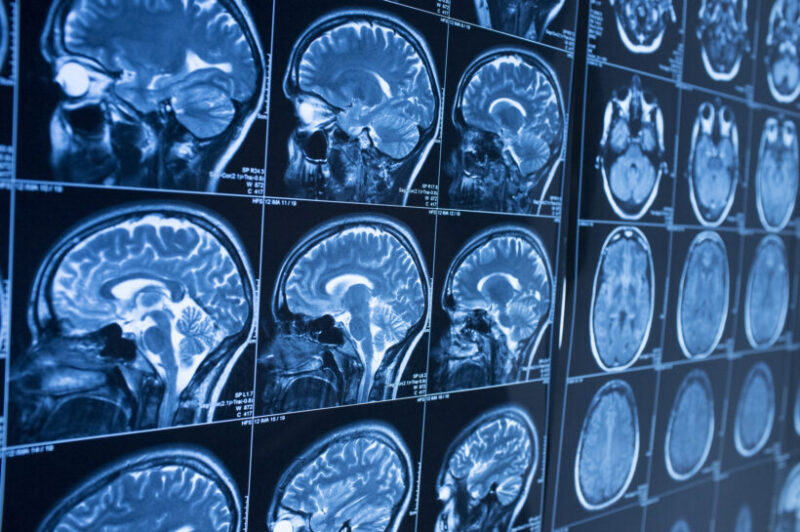
A concussion may look like a “simple bump” on the outside, but beneath the surface, it’s a mild traumatic brain injury that requires thoughtful care and a cautious recovery strategy. How you respond in the hours and weeks following your concussion can make all the difference in whether you heal quickly — or struggle with lingering symptoms like headaches, dizziness, mood changes, or cognitive fog.
To help you navigate this journey, below are 6 essential dos and don’ts after suffering a concussion.
Do #1: Seek Prompt Medical Evaluation
Always start with professional care. A healthcare provider can assess the severity of your concussion, rule out more serious injuries, and give personalized recovery advice. Symptoms may not appear immediately, so it is important to seek medical evaluation as soon as possible.
Don’t #1: Ignore Severe or Worsening Symptoms
If symptoms like intense headache, repeated vomiting, increasing confusion, weakness, numbness, or seizures occur, seek emergency care right away. These can signal complications beyond a typical concussion.
Do #2: Get Plenty of Rest
Rest is critical to healing, especially in the first couple of days. Light rest, combined with gentle activity like short walks, may support the healing process without overstimulating the brain.
Don’t #2: Push Through Symptoms
Your brain uses symptoms like dizziness, fatigue, or fogginess as signals that it’s not ready for strenuous physical or mental activity. Ignoring these warning signs can prolong recovery.
Do #3: Limit Screens and Mental Strain at First
Excessive screen time — phones, computers, TVs — can overstimulate your brain and worsen symptoms. Reducing screen exposure may speed recovery. When you do use screens, take frequent breaks.
Don’t #3: Return to Work, School, or Driving Too Soon
Reaction time, focus, and cognitive processing can remain impaired after a concussion. Avoid driving, operating heavy machinery, or returning to full work or school responsibilities until cleared by a professional.
Do #4: Pace Your Return to Physical Activity
You may need to consider light physical activity — such as short walks — once symptoms begin to improve. A medical professional may recommend gradually increasing the duration and intensity, but to stop if symptoms worsen.
Don’t #4: Resume Contact Sports Before Clearance
Returning to sports prematurely can lead to second-impact syndrome, a rare but severe condition where a second concussion occurs before the first one has healed, potentially causing catastrophic brain swelling.
Do #5: Sleep Well and Maintain a Routine
Sleep is when your brain repairs itself. Aim for regular, restful sleep with a consistent bedtime and wake-up time. It may be recommended to avoid stimulants like caffeine close to bedtime.
Don’t #5: Skip Follow-Up Appointments
Attending scheduled follow-ups allows your provider to track your recovery, adjust guidance, and address persistent or worsening symptoms. Skipping these can leave important changes unnoticed.
Do #6: Monitor and Track Your Symptoms
Keep a simple log of your symptoms — when they occur and what triggers them. This helps you and your clinician spot patterns and adjust your recovery plan more effectively.
Don’t #6: Neglect Emotional and Social Well-Being
Feeling anxious, irritable, or isolated during recovery is common. Connect with friends, family, or support groups — emotional care is a key part of healing and can keep you motivated.
Contact the Atlanta Personal Injury Lawyers at Goldstein Hayes, LLC for Help Today
A concussion is more than just a temporary setback — it’s a brain injury that deserves careful attention, patience, and proper medical care. Remember to follow your provider’s recommendations and don’t rush the healing process. Taking the right steps early on can reduce the risk of prolonged symptoms and long-term complications.
If your concussion was caused by a preventable accident — such as a car crash, unsafe property condition, or another act of negligence — you may also be facing medical expenses, missed work, and other unexpected burdens. The team at Goldstein Hayes, LLC is dedicated to helping injury victims navigate these challenges and pursue the compensation they may be entitled to, so they can concentrate on what matters most: recovery.
To learn more about how we can help with your case, contact our law office today to schedule a free consultation with an experienced Atlanta personal injury attorney. Please don’t hesitate to call (404) 869-8600, or you can visit our office:
Goldstein Hayes, LLC – Atlanta
3060 Peachtree Rd NW UNIT 1000,
Atlanta, GA 30305
(404) 869-8600